 Port Cranes
  Overhead Cranes
  Gantry Cranes
  Rubber-Tired Gantry Cranes
  Jib Cranes
 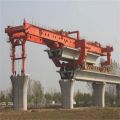 Bridge Beam Launcher
 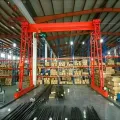 Light-duty Cranes
 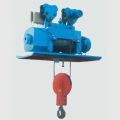 Electric Hoists
 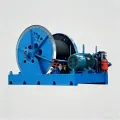 Electric Winch
 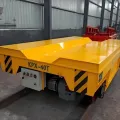 Electric Flat Car
 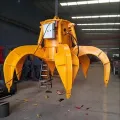 Crane Accessories
 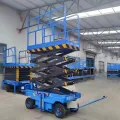 Hydraulic Lifting Platform
  General Manufacturing
 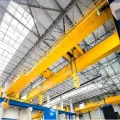 Heavy Machinery Manufacturing
 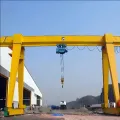 Bulk Cargo Yard
 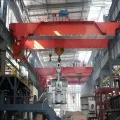 Metallurgical Industry
 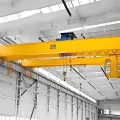 Power Industry
 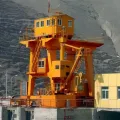 Hydraulic Engineering
 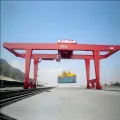 Railway/Rail Transit
 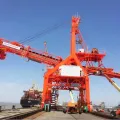 Port Terminal
 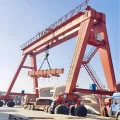 Construction and Engineering
  Shipbuilding
  Waste Recycling
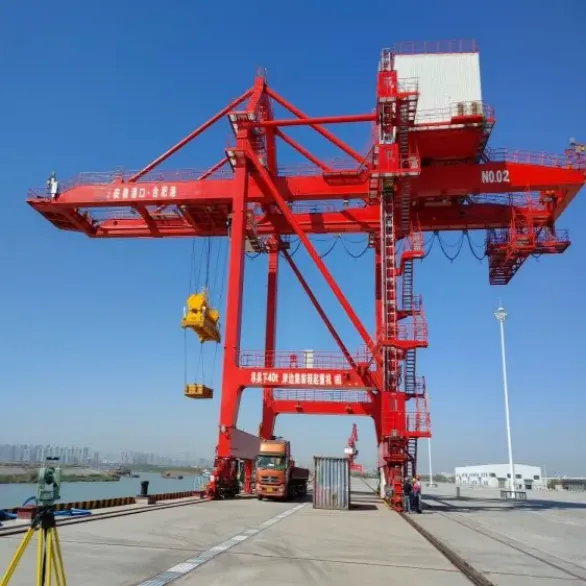
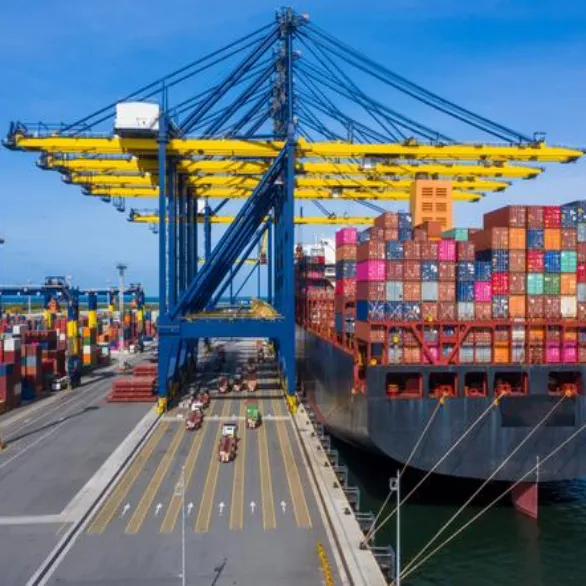
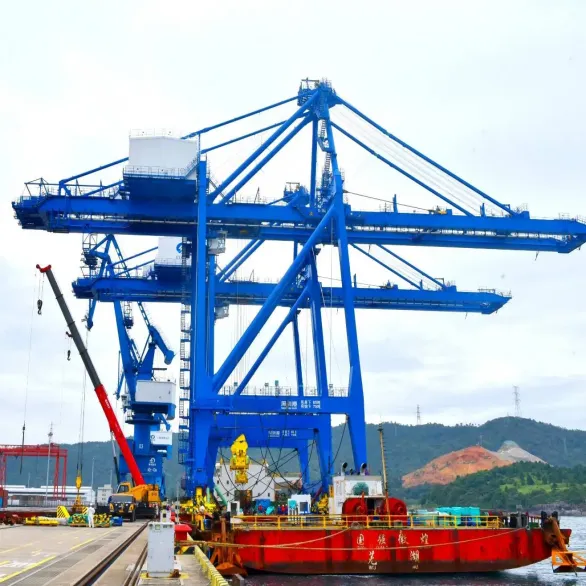
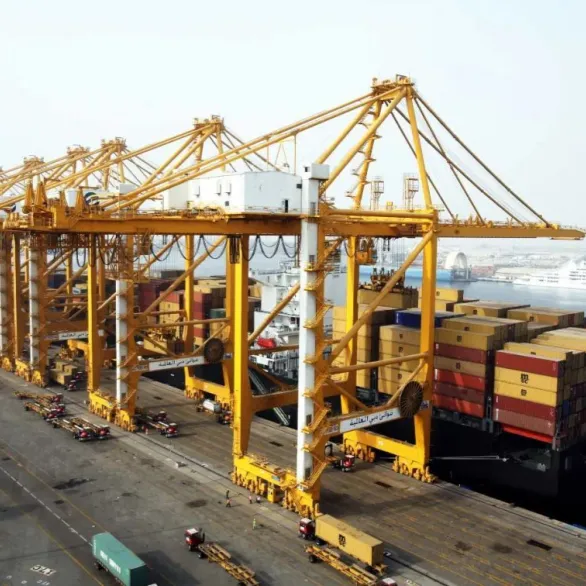
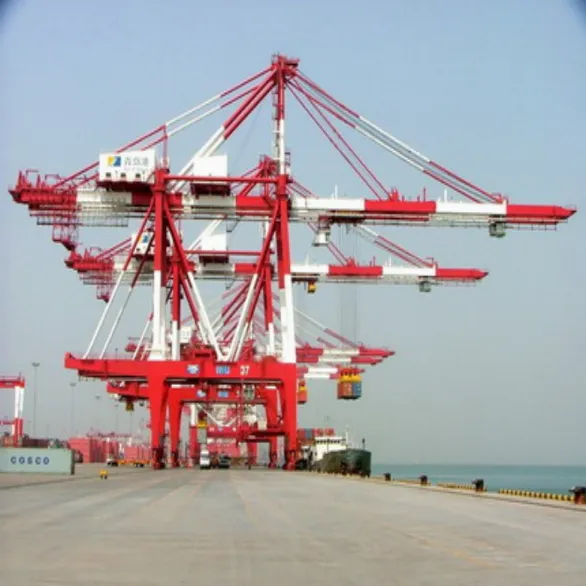


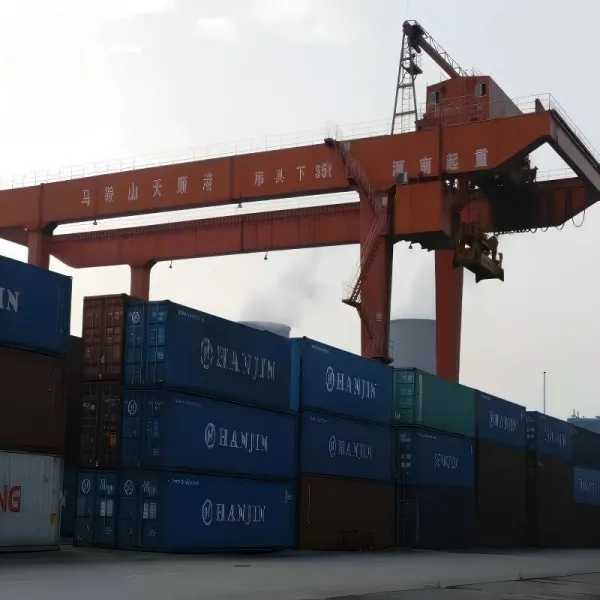
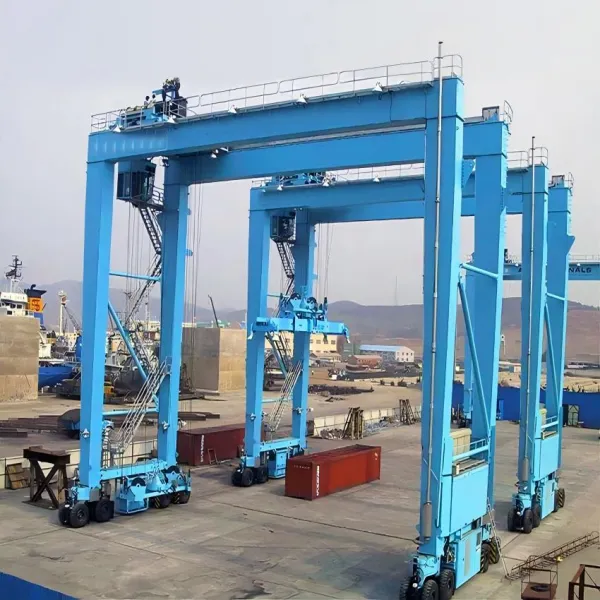
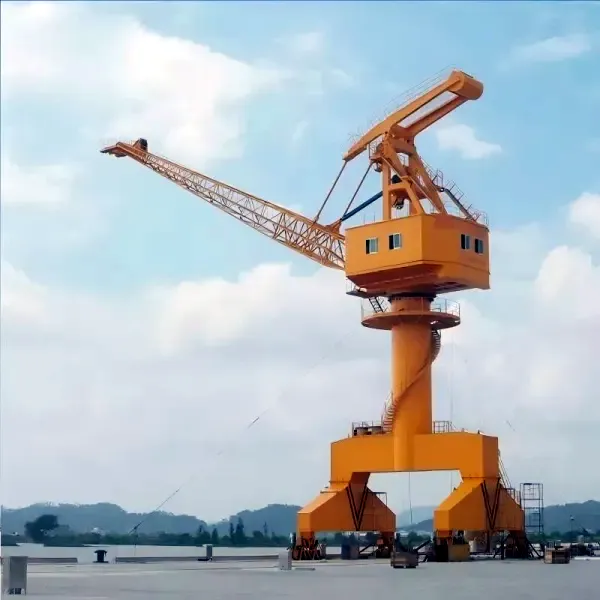
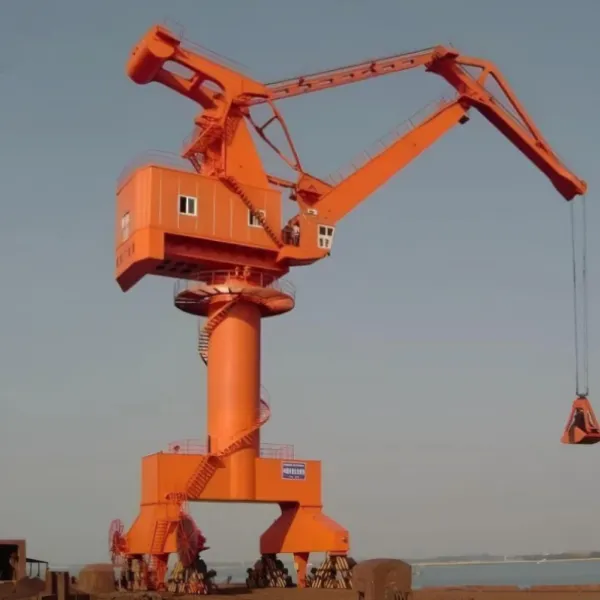
The Ship-to-Shore Container Crane (STS, also known as a Quay Container Crane or Quayside Container Crane) is a core piece of equipment in port terminals for loading and unloading container ships. It is typically positioned along the berth front, consisting of a tall portal frame, a movable trolley, and a spreader system. By traversing along rails, the crane covers the operational area to transfer containers between vessels and the terminal. Designed to efficiently handle standard 20-foot to 40-foot containers, the STS is an indispensable asset in modern maritime logistics.
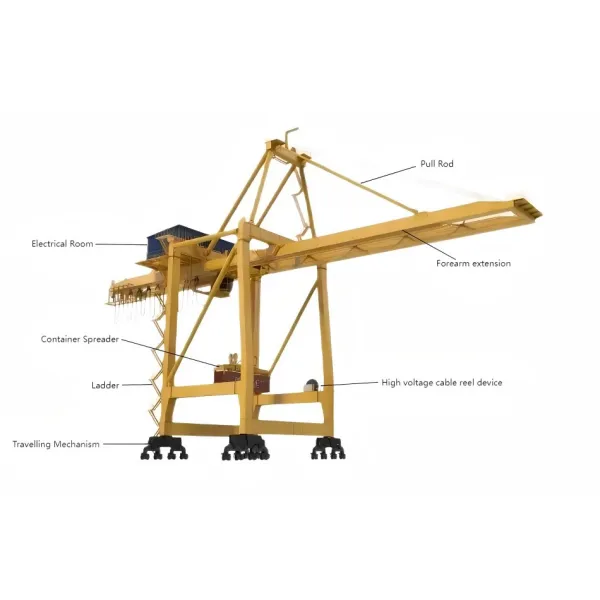

Features of Ship-to-Shore Container Crane (STS):
High-Efficiency Handling
STSs boast substantial lifting capacities (typically 40-100 tons) and high-speed hoisting/trolley movement, enabling rapid container operations and significantly reducing vessel berthing time.
Adaptive Structural Design
The portal frame reaches heights of 70-130 meters, with an outreach (seaward span) exceeding 60 meters to accommodate ultra-large vessels, while the inreach (landward span) ensures seamless integration with terminal transport systems. Advanced models employ dual-trolley systems to further optimize productivity.
Intelligence and Sustainability
Equipped with automated positioning, container identification, and remote-control systems, STSs support unmanned operations. Electrically driven mechanisms coupled with energy regeneration technology minimize power consumption and carbon emissions.
Application of Ship-to-Shore Container Crane (STS):
STSs are widely deployed in international container hubs, deep-water terminals, and automated ports. They serve vessels ranging from feeder ships to 20,000 TEU-class ultra-large container vessels, efficiently linking ship-to-shore operations with landside transport (e.g., trucks, AGVs). In automated terminals, STSs synergize with intelligent management systems to drastically enhance throughput capacity, underpinning the smooth flow of global trade.
Main Components of a Ship-to-Shore Container Crane (STS):
1. Portal Frame
Girder: Horizontal support structure spanning between the dock and ship, carrying the trolley rails.
Legs: Vertical columns supporting the girder, divided into sea-side legs (extending toward the sea) and land-side legs (extending toward the land).
Front and Rear Tie Rods: Diagonal supports to enhance overall stability.
2. Hoisting System
Wire Rope & Sheaves: Driven by drums to control vertical movement of the spreader.
Hoist Motor & Gearbox: Provide power for lifting and lowering containers.
Equalizer Beam: Distributes load across multiple ropes to ensure balanced force.
3. Trolley System
Trolley: Moves horizontally along the girder rails, carrying the spreader for container transport.
Drive Motors & Wheels: Enable precise trolley positioning.
4. Spreader
Twist Locks: Hydraulic/electric devices to lock onto container corners.
Telescopic Frame: Adjusts to fit 20ft, 40ft, and 45ft containers.
Auto Positioning System: Uses sensors/cameras for quick alignment.
5. Gantry Travel System
Rails & Wheels: Allow the crane to move along the dock for ship coverage.
Travel Drives: Motors and brakes for smooth movement.
6. Electrical & Control System
PLC & Inverter: Control motion logic and speed.
Remote Control Station: Allows remote operation.
Sensors: Monitor load, position, wind speed, etc.
7. Auxiliary Structures
Ladders & Platforms: For maintenance access.
Cable Reels: Manage power cables for moving parts.
Wind-resistant Devices: Anchors and cables to prevent wind displacement.
8. Safety Systems
Limit Switches: Prevent over-travel of trolley or gantry.
Anti-collision System: Laser/radar to avoid collisions.
Emergency Brakes: Halt operations during malfunctions.