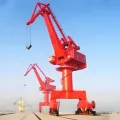
 Port Cranes
  Overhead Cranes
  Gantry Cranes
  Rubber-Tired Gantry Cranes
 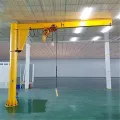 Jib Cranes
 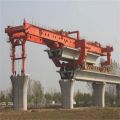 Bridge Beam Launcher
 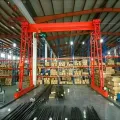 Light-duty Cranes
 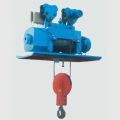 Electric Hoists
 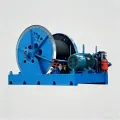 Electric Winch
 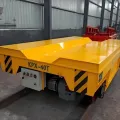 Electric Flat Car
 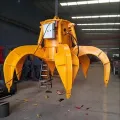 Crane Accessories
 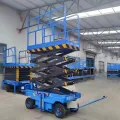 Hydraulic Lifting Platform
  General Manufacturing
  Heavy Machinery Manufacturing
  Bulk Cargo Yard
  Metallurgical Industry
 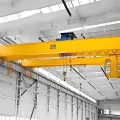 Power Industry
 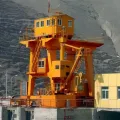 Hydraulic Engineering
 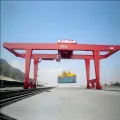 Railway/Rail Transit
 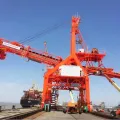 Port Terminal
  Construction and Engineering
  Shipbuilding
  Waste Recycling
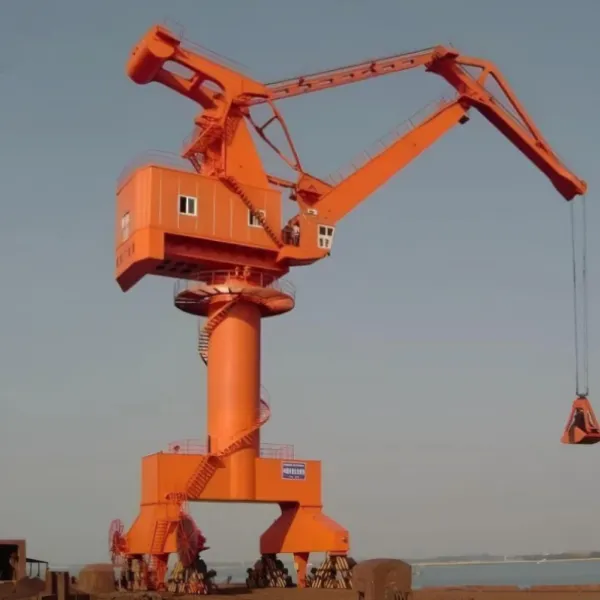
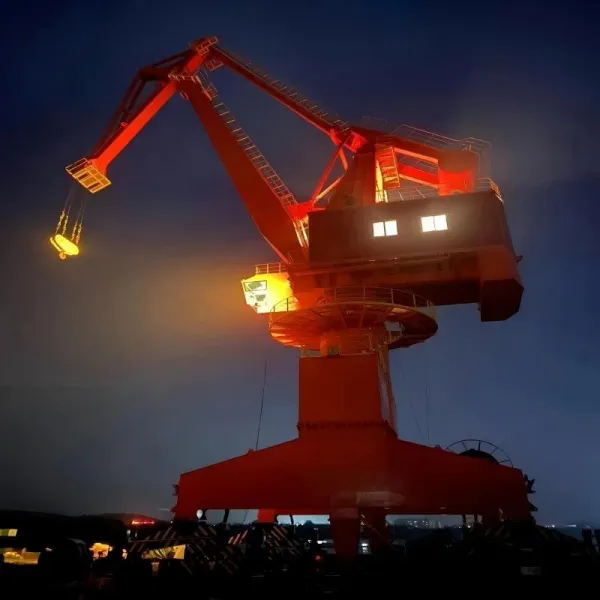
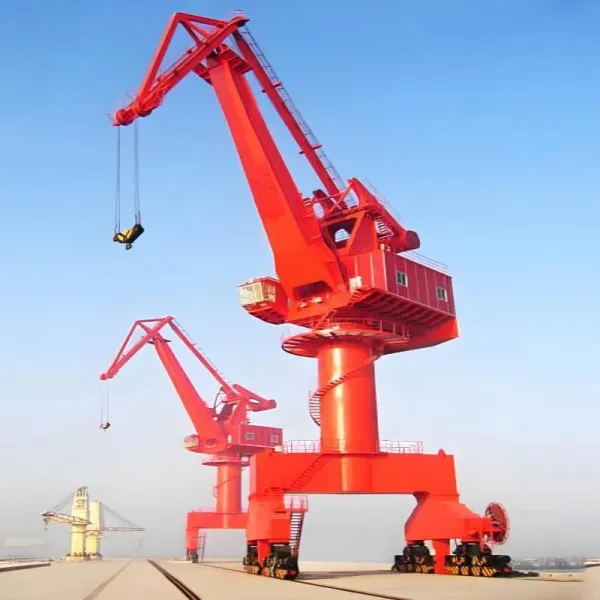
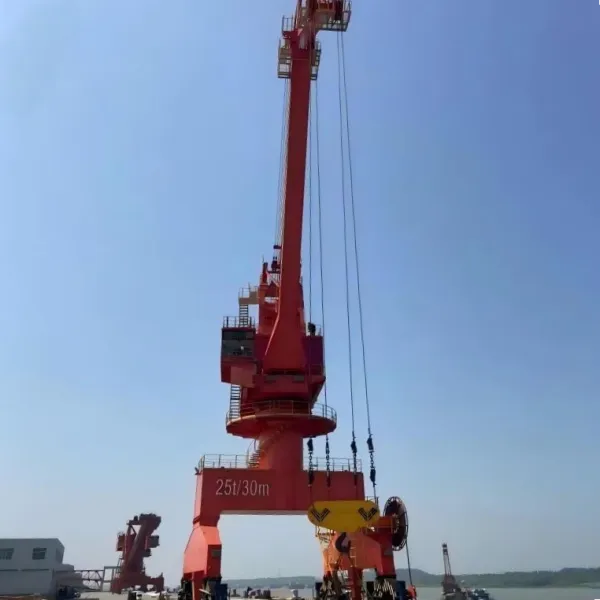
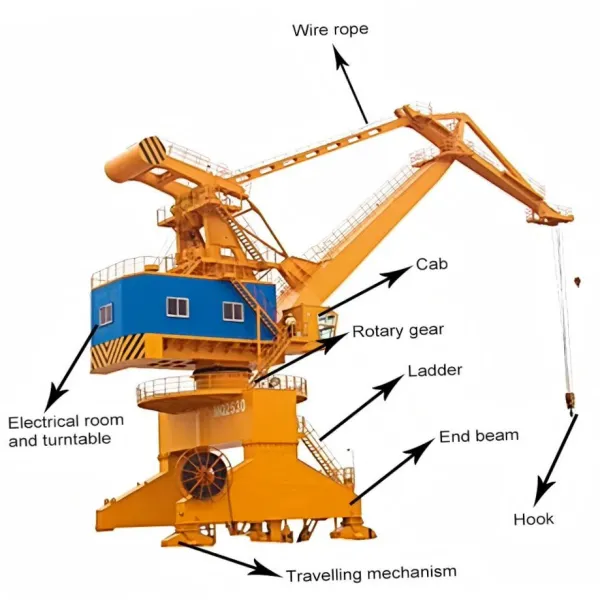


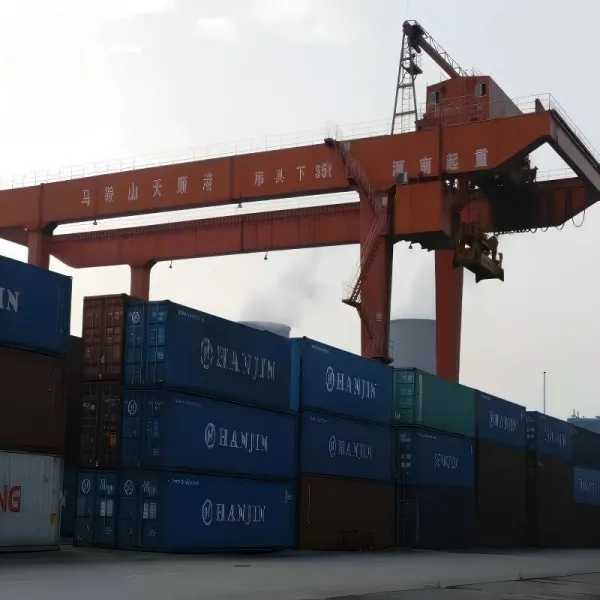
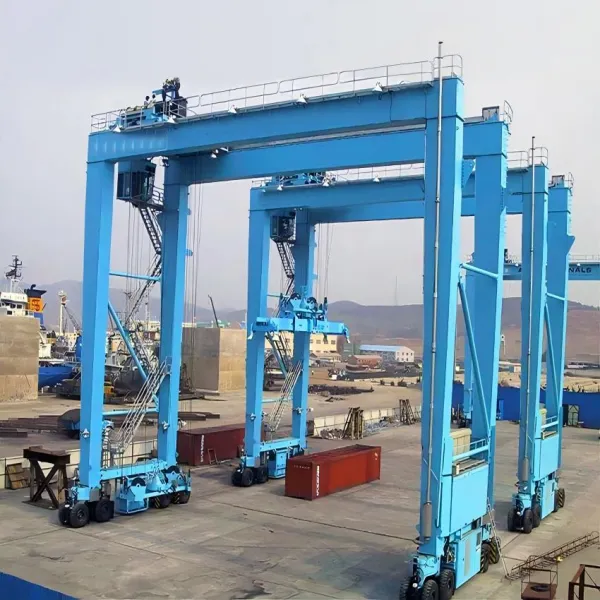
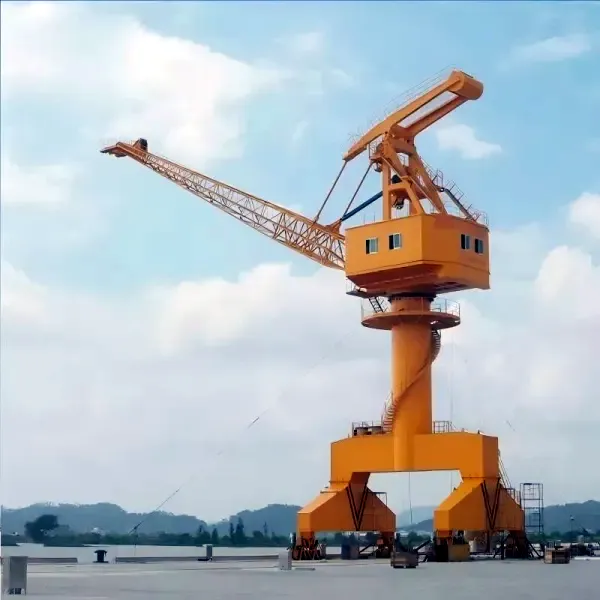
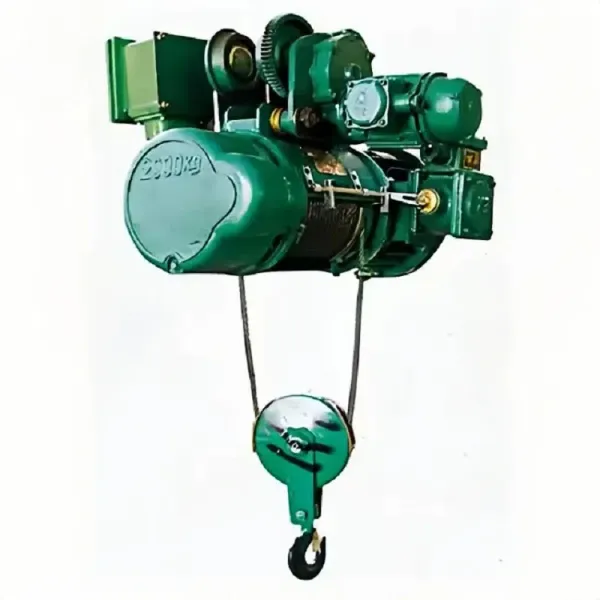
MQ type Four-link portal cranes are widely used in port loading and unloading, shipbuilding and repairing, and material handling in the steel and metallurgical industry. They are mainly composed of steel structure, lifting mechanism, luffing mechanism, slewing mechanism, trolley running mechanism, hoisting device (grab, container hoist, hook, electromagnetic disk), electrical equipment and other necessary safety and auxiliary equipment. The steel structure consists of boom, herringbone, slewing platform and portal.

Characteristics of the MQ type Four-link Portal Crane
Optimized Motion Trajectory
The four-bar linkage mechanism automatically compensates for height variations of the lifting attachment during luffing, achieving quasi-horizontal movement of the load. This minimizes cargo sway, making it ideal for fragile goods or high-precision lifting operations.
High Stability
The synergy between the four-bar linkage and counterweight system effectively distributes load stresses, enhances anti-overturning capability, and ensures reliable performance under heavy loads or complex working conditions.
Large Coverage Range
Featuring a long boom design and large-angle luffing capability, it covers a vast working radius-from dense stacking areas near the base to distant ship holds.
High-Efficiency Drive System
Independently controlled hoisting, luffing, slewing, and travel mechanisms enable multi-action coordination, significantly improving loading/unloading efficiency.
Environmental Adaptability
The portal-type chassis design combined with wind-resistant anchoring devices ensures stable operation in outdoor environments, even under strong winds or tidal variations.
Applications of the MQ type Four-link Portal Crane
Bulk Cargo Terminals: Continuous handling of coal, ore, and other bulk materials using grabs or buckets, enabling efficient ship-to-shore transfer.
Steel and Heavy Industries: Lifting rolling mill equipment, large castings, and high-temperature ladles, meeting demands for precision and safety in heavy material handling.
Power Plants and Energy Sector: Transporting power generator components, boiler systems, and wind turbine blades, ensuring accurate positioning of oversized equipment at height.
Container Hubs: Supporting medium-to-long-distance lifting in container yards, particularly suited for automated terminals requiring cargo stability.
Specialized Engineering: Critical for bridge component assembly and ship block joining, leveraging its high load capacity and trajectory control advantages.
-
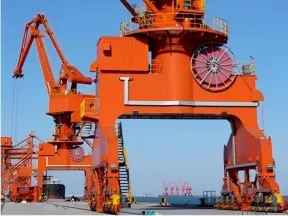 Portal Frame The main support structure that forms the base of the crane, allowing it to span a specific area.The portal usually has legs that provide clearance for vehicles or cargo to pass underneath.
 -
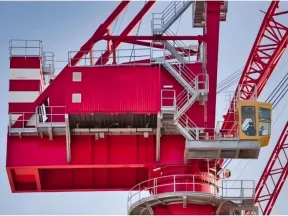 Electrical Room Houses power distribution cabinets, control cabinets, and electrical components. Responsible for power distribution, signal transmission, and system control, ensuring stable and reliable operation of the entire system.
 -
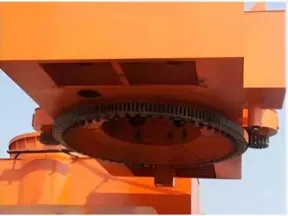 Slewing Mechanism Drives 360° horizontal rotation of the crane's upper structure (including the boom, operator's cab, etc.), expanding operational coverage and enabling flexible adjustment of lifting direction.
 -
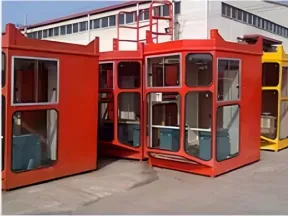 Operator's Cab Central control hub equipped with consoles, monitoring screens, and safety devices. Provides a panoramic view and centralized control over travel, hoisting, luffing, and other operations.
 -
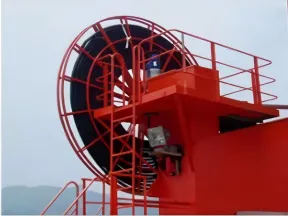 Cable Reel Automatically retracts or deploys power cables to maintain continuous electrical supply during crane movement. Prevents cable abrasion or entanglement risks caused by dragging on the ground.
 -
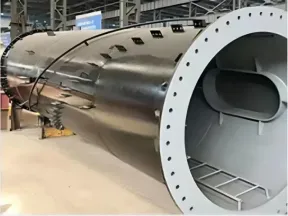 Cylinder The cylinder is connected with the running mechanism, the height can be customized, and it is made of high-quality steel.
 -
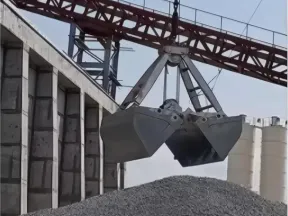 Lifting Attachment Configured for specific cargo types (e.g., hooks, grabs, or container spreaders). Directly secures or grips cargo to ensure safe and efficient loading/unloading.