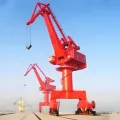
 Port Cranes
 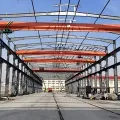 Overhead Cranes
 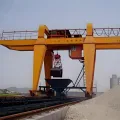 Gantry Cranes
 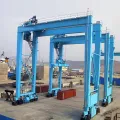 Rubber-Tired Gantry Cranes
 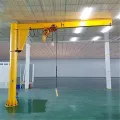 Jib Cranes
 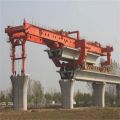 Bridge Beam Launcher
 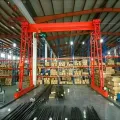 Light-duty Cranes
 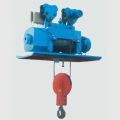 Electric Hoists
 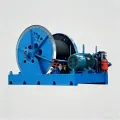 Electric Winch
 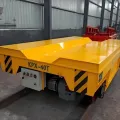 Electric Flat Car
 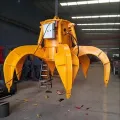 Crane Accessories
 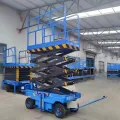 Hydraulic Lifting Platform
 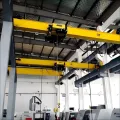 General Manufacturing
 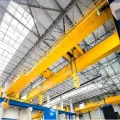 Heavy Machinery Manufacturing
 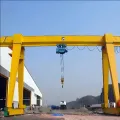 Bulk Cargo Yard
 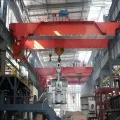 Metallurgical Industry
 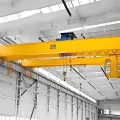 Power Industry
 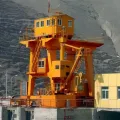 Hydraulic Engineering
 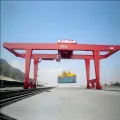 Railway/Rail Transit
 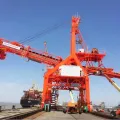 Port Terminal
  Construction and Engineering
  Shipbuilding
  Waste Recycling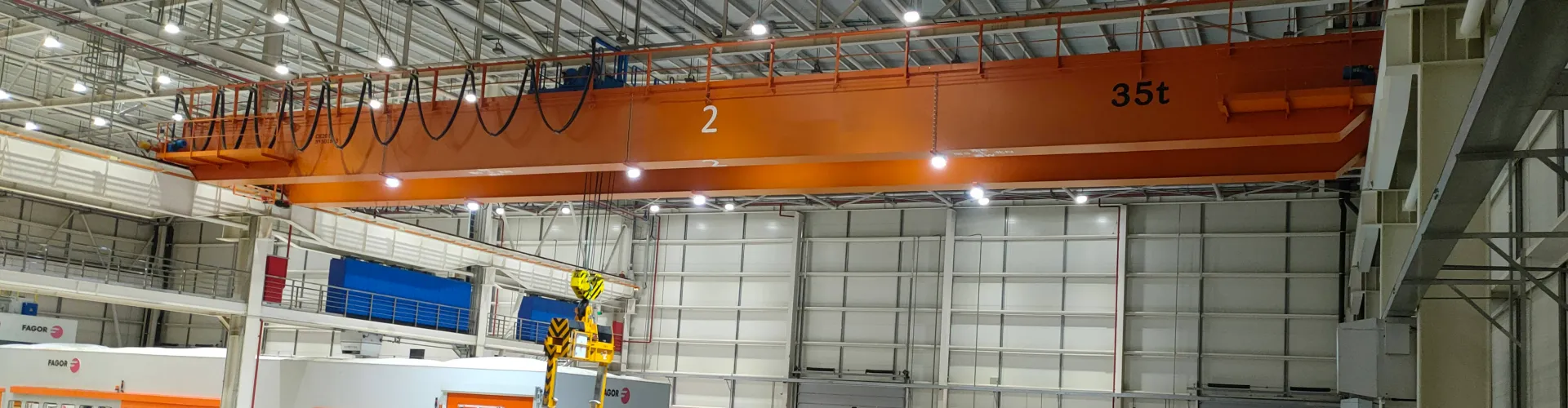
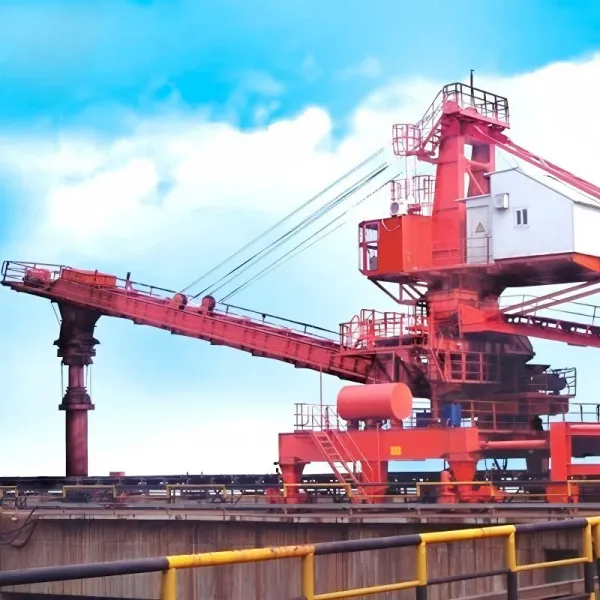
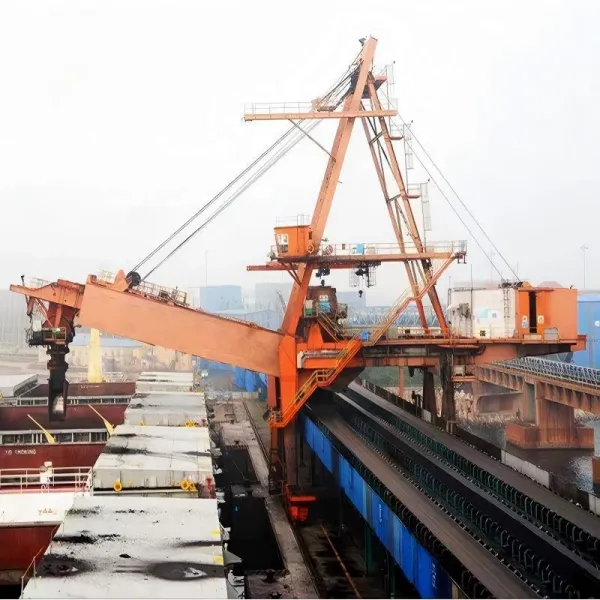
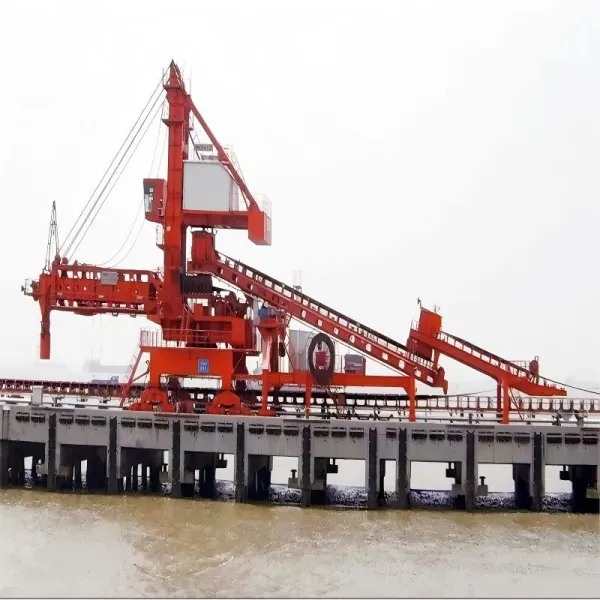
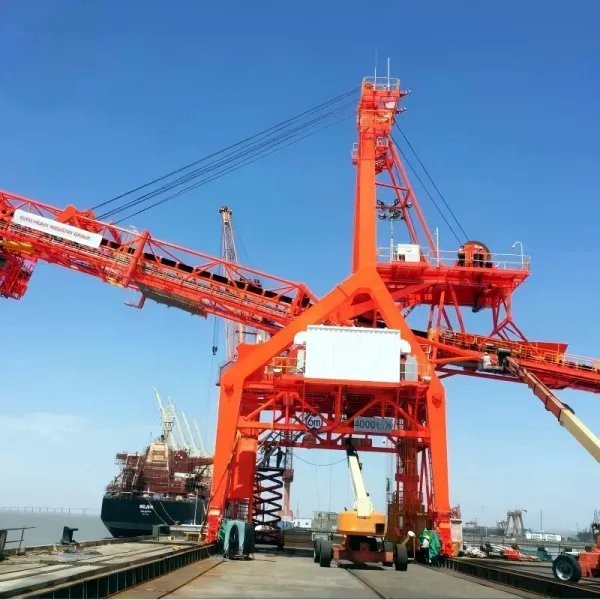
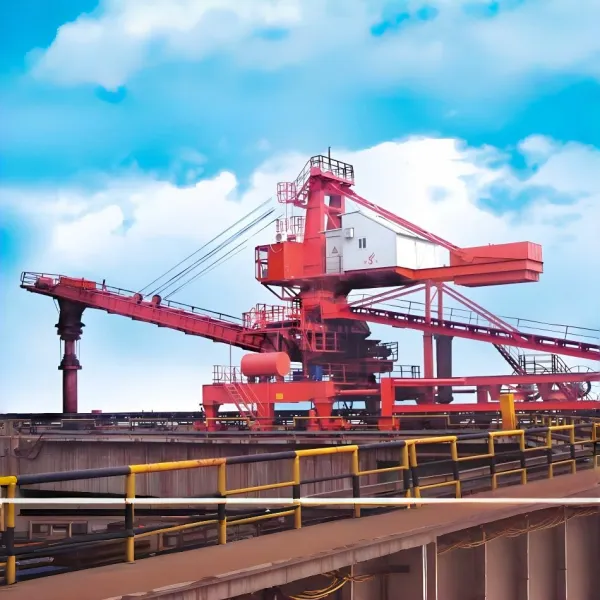
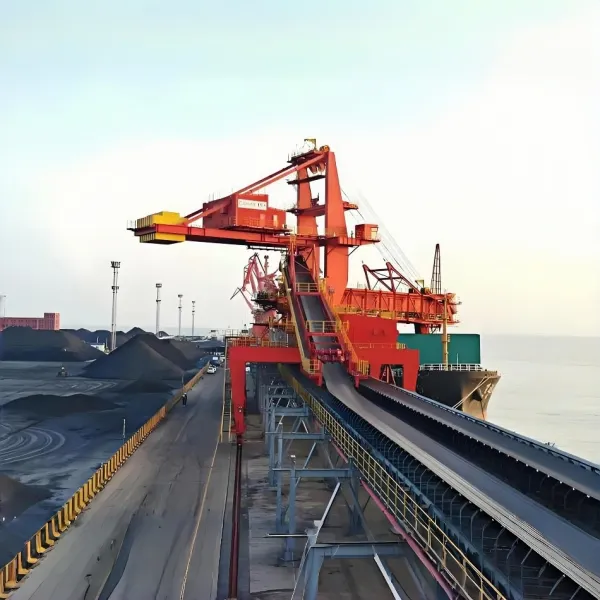


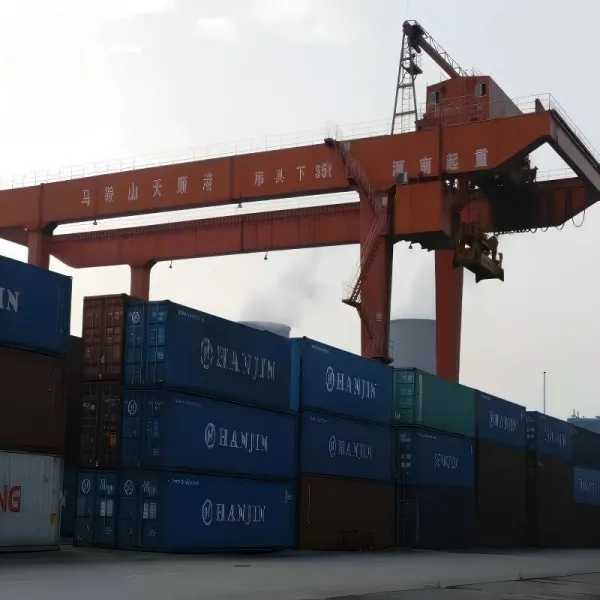
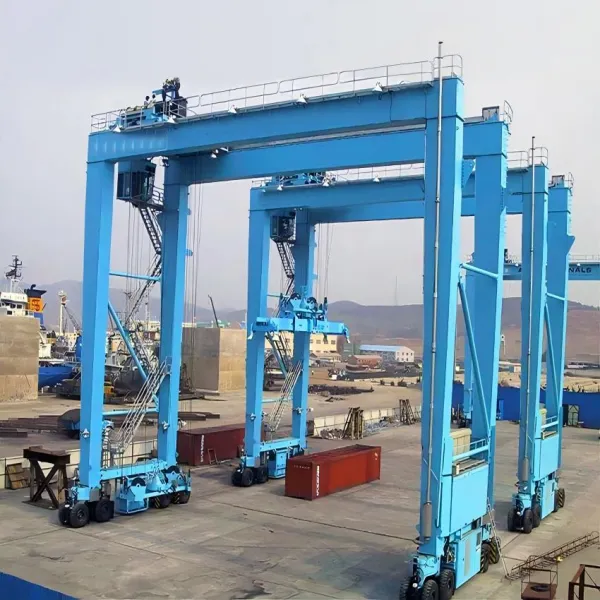
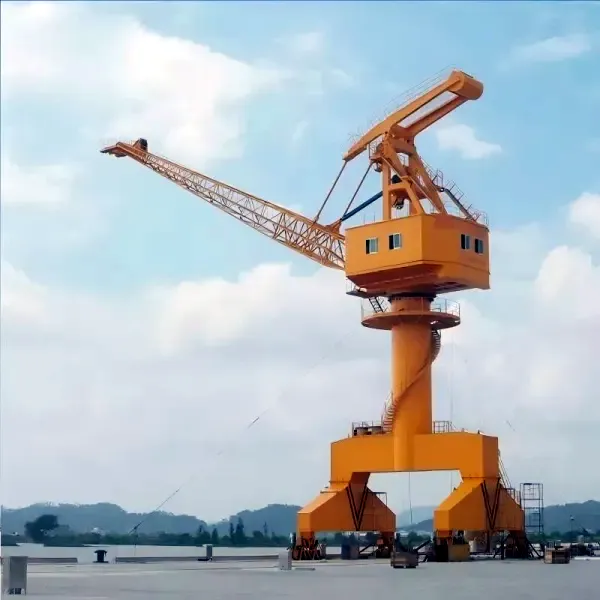
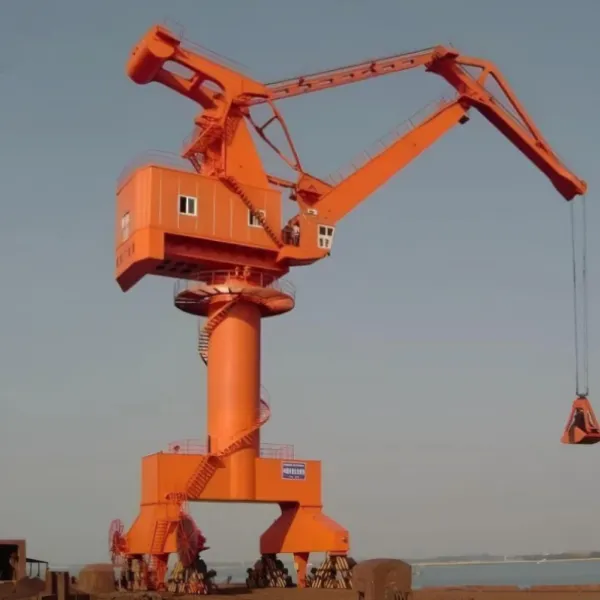
Continuous ship loaders are widely used in the loading of bulk materials (coal, ore, grain, cement, etc.) at docks. The ship loader mainly consists of steel structure, boom conveyor, tail car, luffing mechanism, slewing mechanism, trolley running mechanism, dust removal system, loading chute, electrical equipment and other necessary safety and auxiliary facilities. Its boom can rotate, luff, and telescope, and the chute can be telescoped up and down.
Main standards cited: GB6067-85 "Crane Safety Regulations", GB3811-2008 "Crane Design Specifications" and International Organization for Standardization (ISO) standards, European FEM, Japanese JIS standards.
In order to adapt to the short-distance dock shoreline conditions, our company launched a linear swing ship loader, which greatly reduces the length of the dock shoreline occupied, and is an economical loading equipment.
LS series environmentally friendly linear swing cement loader is a new type of environmentally friendly bulk cargo loading equipment. It adopts frequency conversion, PLC and CMMS technology to avoid dust flying when bulk materials such as cement are loaded, representing the domestic advanced level.

Feature of Continuous Ship Loaders
The equipment operates with high efficiency and adapts to various vessel types and tidal conditions.
Supports multiple installation configurations, such as rail-mounted mobile type, arc-swing type, and linear-swing type, enabling coverage of a broader operational range.
Utilizes a fully enclosed conveying system and multi-point dust suppression design to minimize dust emissions.
Emphasizes stability in structural design to ensure reliable performance.
Applications of Continuous Ship Loaders
applications:
Major cargo types: Coal, iron ore, fertilizer, grain, bauxite, and other major dry bulk commodities.
Typical scenarios:
Large bulk export terminals: Where the volume of various resource shipments is significant, creating demanding requirements for loading efficiency.
Terminals associated with power plants or steel mills: For loading raw materials (such as coal and ore) where rapid ship loading is necessary.
Inland ports: Also deployed at some large inland bulk transshipment terminals.
Product Details
Components and Functions of a Continuous Ship Loader
1. Boom
Function: The boom serves as the main supporting structure of the ship loader, typically designed with truss or box-type configurations. It enables horizontal extension or vertical tilting to adjust material discharge positions, accommodating varying ship hatches and tidal conditions.
2. Telescopic Chute
Function: A retractable pipeline located at the boom's end, utilizing a multi-section sleeve structure to control material discharge height and angle, thereby reducing dust dispersion and material breakage. Some models incorporate automatic deviation correction devices to ensure precise discharge.
3. Belt Conveyor System
Function: Comprises a main conveyor and transfer conveyors, responsible for continuously transporting materials from the terminal stockyard into ship holds. High-strength rubber belts or steel cord belts are employed, with some systems equipped with variable frequency speed control to match varying loading efficiency requirements.
4. Slewing Mechanism
Function: A mechanical assembly (e.g., slewing bearing + gear motor) that drives the boom's horizontal rotation, enabling coverage of different ship compartments. Large-scale units utilize arc-shaped tracks or roller supports to enhance stability.
5. Dust Suppression System
Function: Minimizes dust emissions during operations through fully enclosed conveyors, chute sealing rings, spray systems (dry mist or water mist), and negative-pressure dust collectors, ensuring compliance with environmental regulations.
6. Power & Drive System
Function: Includes motors, hydraulic stations, and reducers to provide operational power. Hybrid configurations (diesel + electric) are adopted in some models to suit grid-independent terminals.
7. Intelligent Control System
Function: Integrates PLCs (Programmable Logic Controllers), laser scanners (for hold volume detection), weighing sensors, and remote monitoring modules to achieve automatic material distribution balance, collision prevention alerts, and efficiency optimization.
8. Safety Devices
Function: Incorporate limit switches, wind speed monitors, emergency braking systems, and lightning protection devices to safeguard equipment and personnel during extreme weather or operational failures.