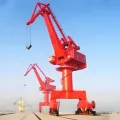
 Port Cranes
 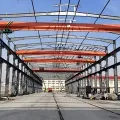 Overhead Cranes
 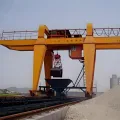 Gantry Cranes
 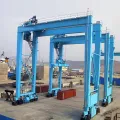 Rubber-Tired Gantry Cranes
 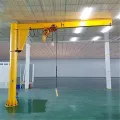 Jib Cranes
 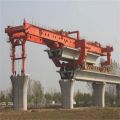 Bridge Beam Launcher
  Light-duty Cranes
 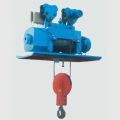 Electric Hoists
 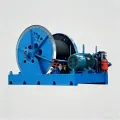 Electric Winch
 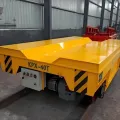 Electric Flat Car
 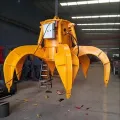 Crane Accessories
  Hydraulic Lifting Platform
  General Manufacturing
  Heavy Machinery Manufacturing
  Bulk Cargo Yard
 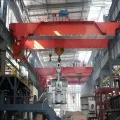 Metallurgical Industry
 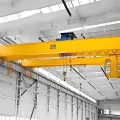 Power Industry
 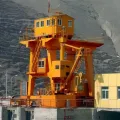 Hydraulic Engineering
  Railway/Rail Transit
 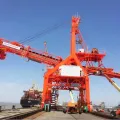 Port Terminal
 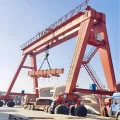 Construction and Engineering
 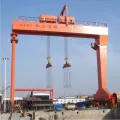 Shipbuilding
  Waste Recycling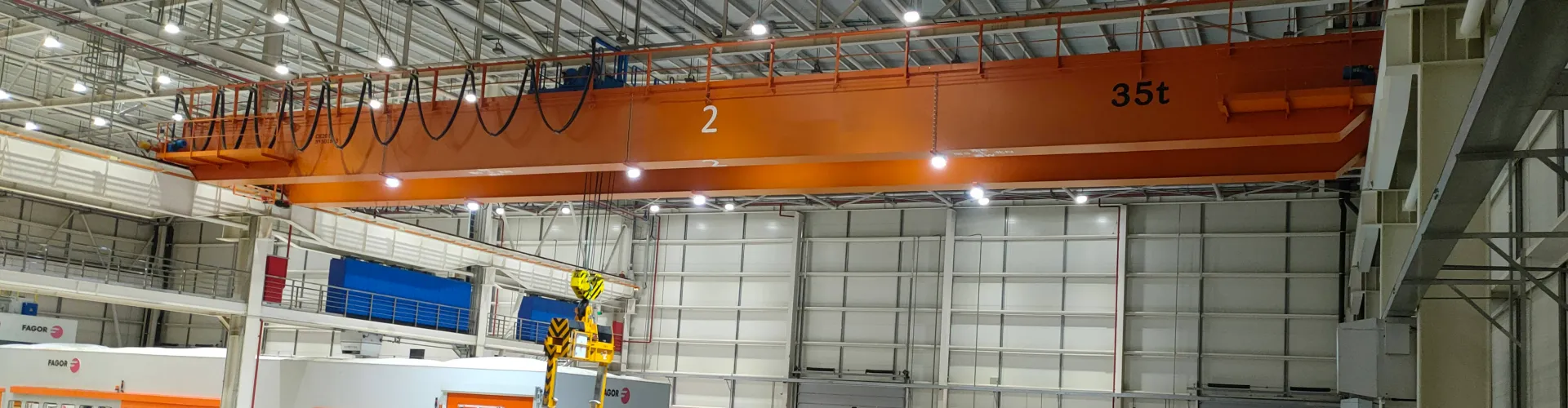
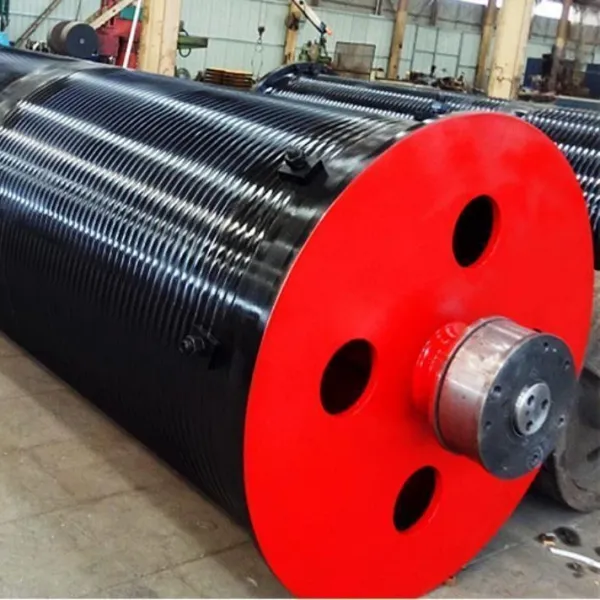
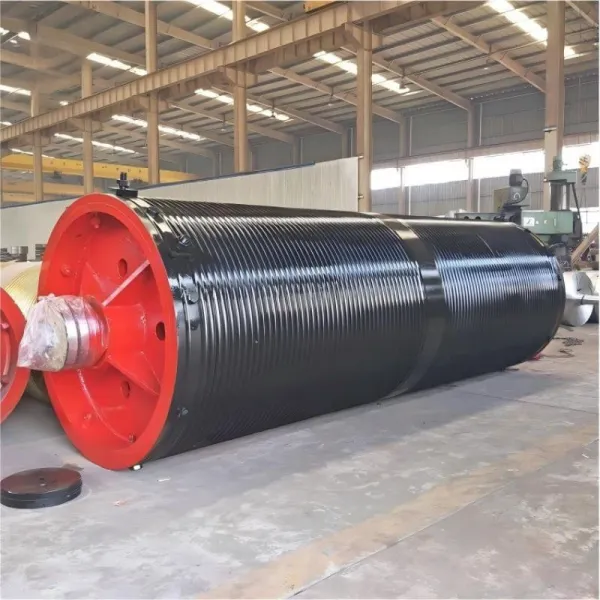
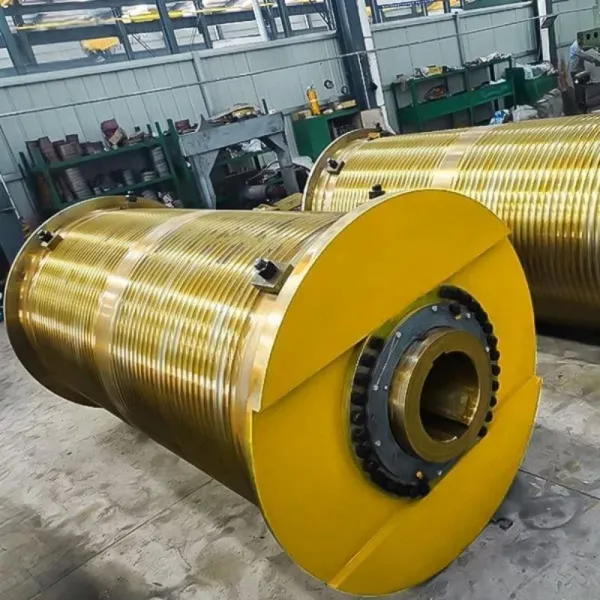
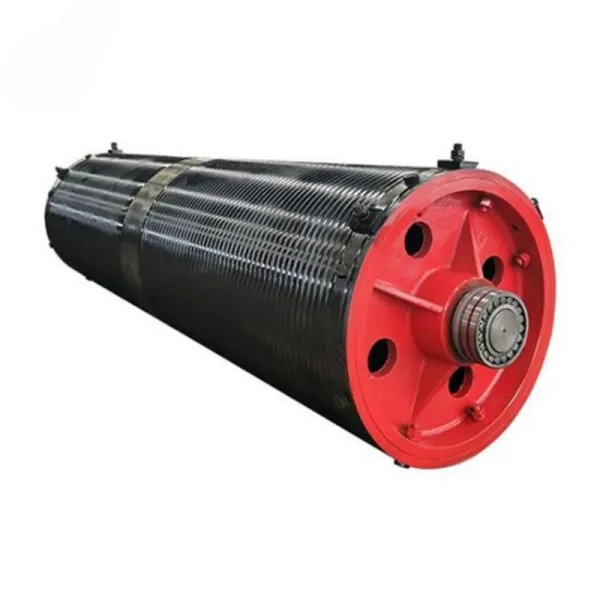
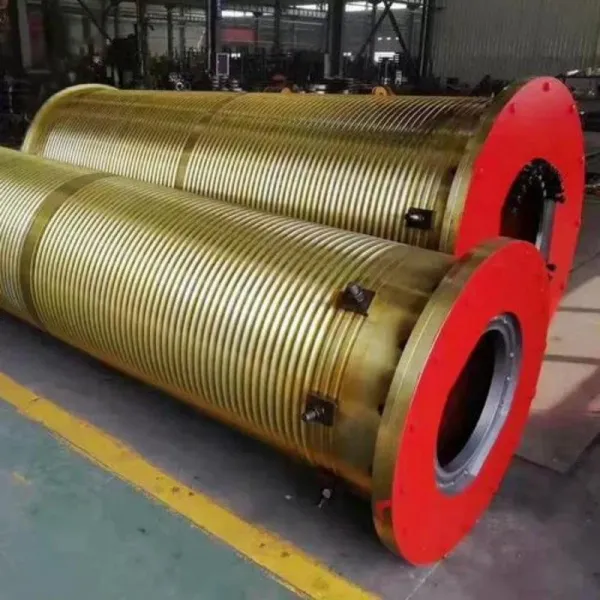


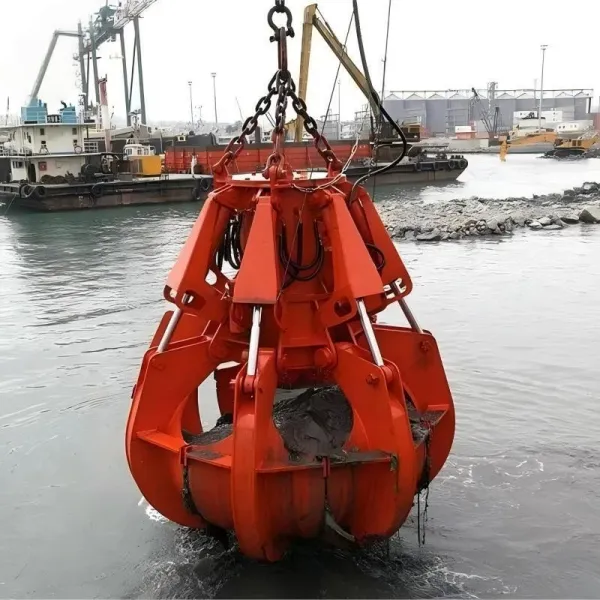
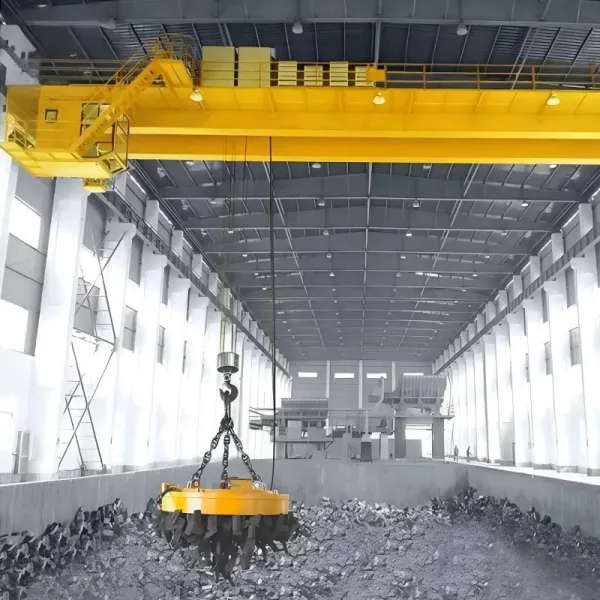
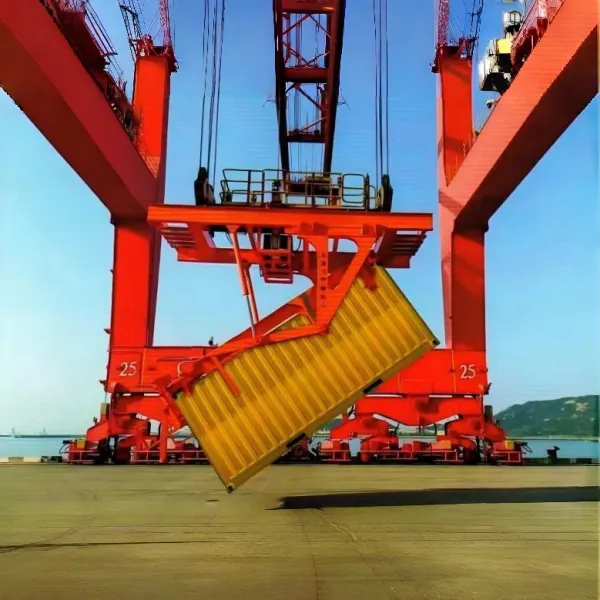
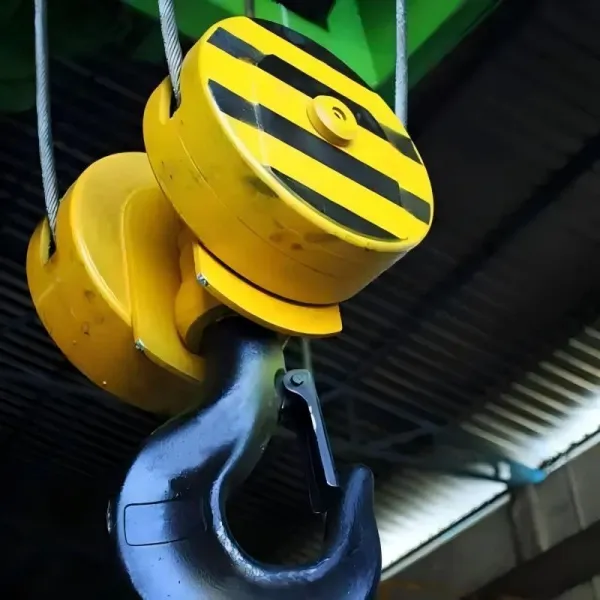
The wire rope drum, a central load-bearing element of the crane's hoisting and luffing systems, is typically a cylindrical barrel manufactured from high-strength steel plate via welding or from cast iron. Driven by an electric motor, it rotates to spool or release the wire rope, thereby controlling the elevation of the load-handling device and the load itself.
The wire rope drum's surface is engineered according to application requirements-being either smooth, helically grooved, or featuring advanced Lebus grooving. This design ensures the orderly spooling and storage of the wire rope, maintains proper alignment, and provides the necessary rope capacity, which directly dictates the maximum lifting height. By working in conjunction with the pulley system, which creates a mechanical advantage, the drum bears the entire hoisting load. Its performance is directly tied to the overall machine's safety, operational efficiency, and the service life of the wire rope. Consequently, it is extensively utilized across a wide range of lifting equipment, from standard overhead cranes to large-scale port container ship-to-shore cranes.

Wire rope drum materials are primarily categorized into three main types: Cast Iron, Cast Steel, and Welded Steel.
1. Cast Iron Class
Cast iron drums are manufactured using traditional casting methods.
Advantages:
Good Wear Resistance: The graphite components in cast iron provide a self-lubricating effect, effectively resisting wire rope wear.
Excellent Castability: Easy to mold into complex shapes, suitable for parts with intricate geometries.
Good Vibration Damping: Effectively absorbs vibration and shock.
Relatively Low Cost: Raw material and manufacturing costs are lower compared to cast steel.
Disadvantages:
Low Strength: Tensile and yield strength are far lower than steel; it is brittle and has poor impact resistance.
High Weight: Its high density results in a heavy drum.
Potential Casting Defects: Defects such as sand holes and gas pores may be present, which can compromise strength.
Suitable Wire rope drumTypes:
Primarily used for small to medium-sized, single-layer winding drums with lower duty groups (e.g., M3-M5), low lifting capacities, and no severe impact loads.
Not suitable for: Multi-layer winding drums (which endure high radial pressure), heavy-duty regimes (M6 and above), or applications involving impact loads.
2. Cast Steel Class
Cast steel is employed when higher strength is required.
Advantages:
High Strength: High load-bearing capacity. Toughness is superior to cast iron, allowing it to withstand certain impact loads.
Disadvantages:
Poor Castability: Lower fluidity than cast iron, making it prone to defects like shrinkage cavities.
High Cost: Material and casting process costs are higher than those of cast iron.
Poor Weldability: Repair welding requires highly specialized procedures.
Suitable wire rope drum Types:
Used for drums with larger lifting capacities, higher duty groups, or those subject to impact loads.
Due to the prevalence of welded drums, pure cast steel drums are less common in modern cranes. They are more frequently used for components like wire rope drum hubs and flanges.
3. Welded Steel Class
This is the absolute mainstream manufacturing method for medium and large modern crane drums. They are formed by rolling and welding steel plates.
Common Grades:
Q235B: A standard carbon structural steel. Offers moderate strength, excellent weldability, and is cost-effective.
Q345B (16Mn): A high-strength low-alloy steel. Its yield strength (≥345 MPa) is significantly higher than Q235B, making it the preferred material for achieving lightweight and high-strength designs.
Q420B: Used for extra-large, heavy-duty drums, offering even higher strength.
Advantages:
High Strength to Weight Ratio: Can be made thinner and lighter than cast iron drums for the same load capacity, enabling lightweight design.
Stable Quality and High Reliability: High-quality rolled steel plates have a uniform internal structure, free from casting defects.
Manufacturing Flexibility: Ideal for producing large, extra-long, or structurally complex drums (e.g., complex Lebus grooves can be precisely machined into the steel plate via CNC).
Enhanced Safety: Steel has good toughness, exhibits significant plastic deformation before failure, and avoids the risk of brittle fracture.
Disadvantages:
Relatively Poor Wear Resistance: Often requires surface heat treatment (e.g., quenching) or the application of wear-resistant coatings to enhance groove durability.
High Demands on Welding Process: Weld quality is critical and must be verified through non-destructive testing (e.g., ultrasonic inspection) to ensure it is defect-free.
Suitable wire rope drum Types:
Almost all types of modern drums, specifically:
Large Drums: All medium and large drums for overhead, gantry, and port cranes.