 Port Cranes
 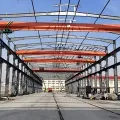 Overhead Cranes
 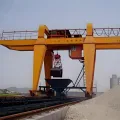 Gantry Cranes
 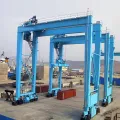 Rubber-Tired Gantry Cranes
 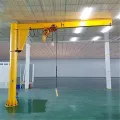 Jib Cranes
 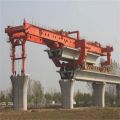 Bridge Beam Launcher
 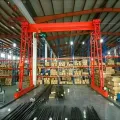 Light-duty Cranes
 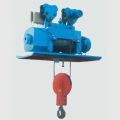 Electric Hoists
 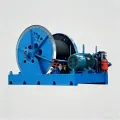 Electric Winch
 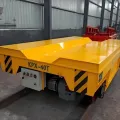 Electric Flat Car
 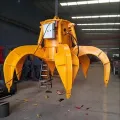 Crane Accessories
 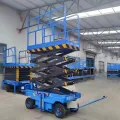 Hydraulic Lifting Platform
 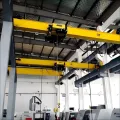 General Manufacturing
 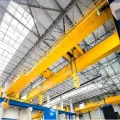 Heavy Machinery Manufacturing
 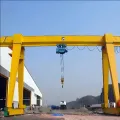 Bulk Cargo Yard
 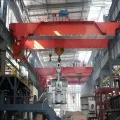 Metallurgical Industry
 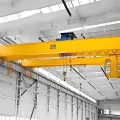 Power Industry
 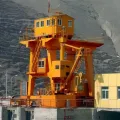 Hydraulic Engineering
 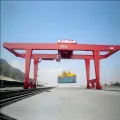 Railway/Rail Transit
 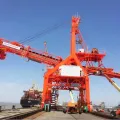 Port Terminal
 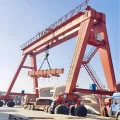 Construction and Engineering
  Shipbuilding
  Waste Recycling
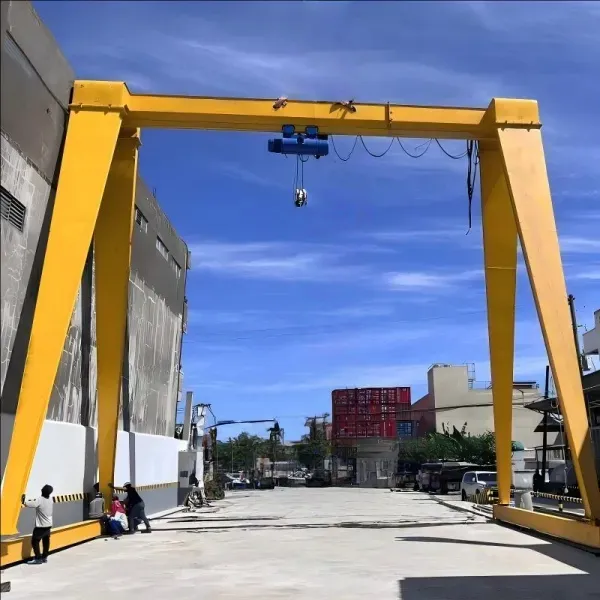
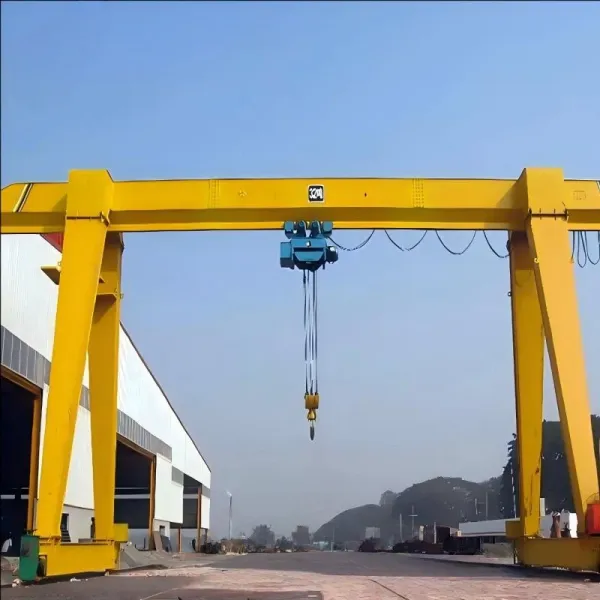
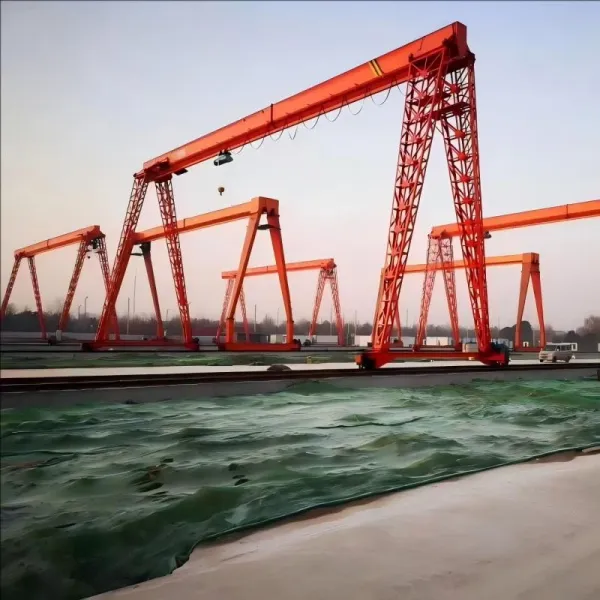
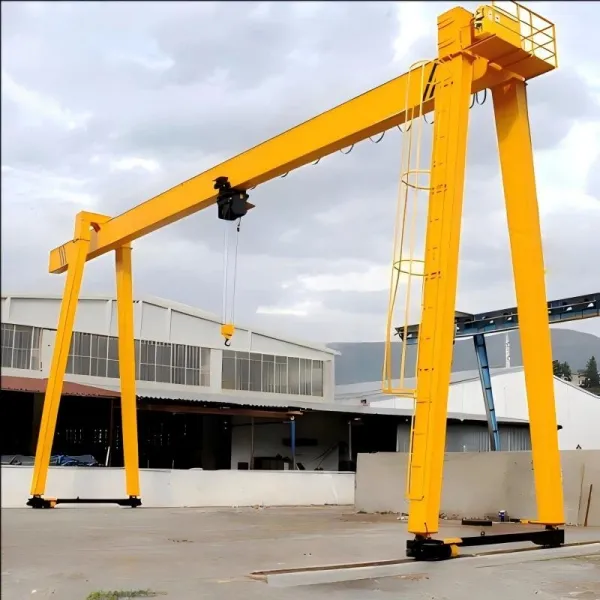


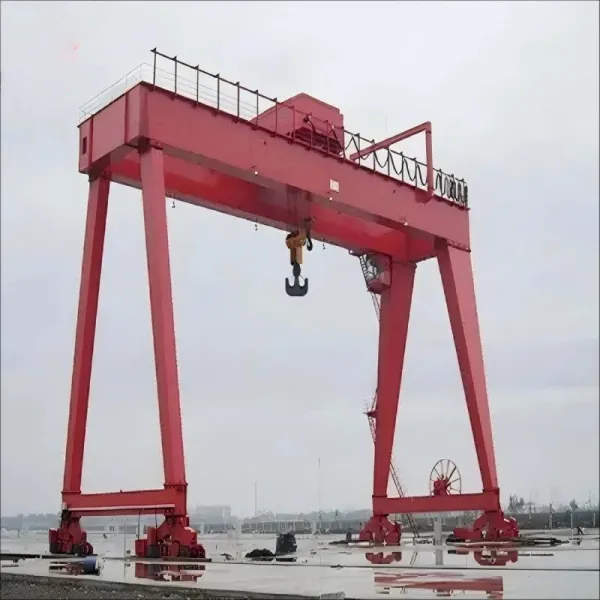
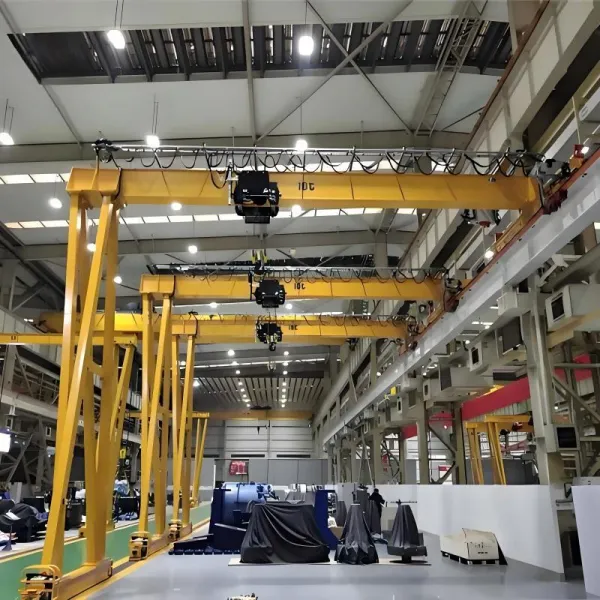
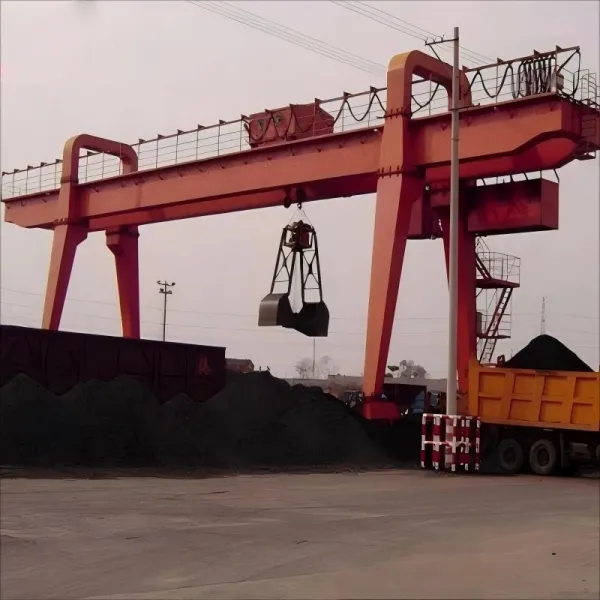
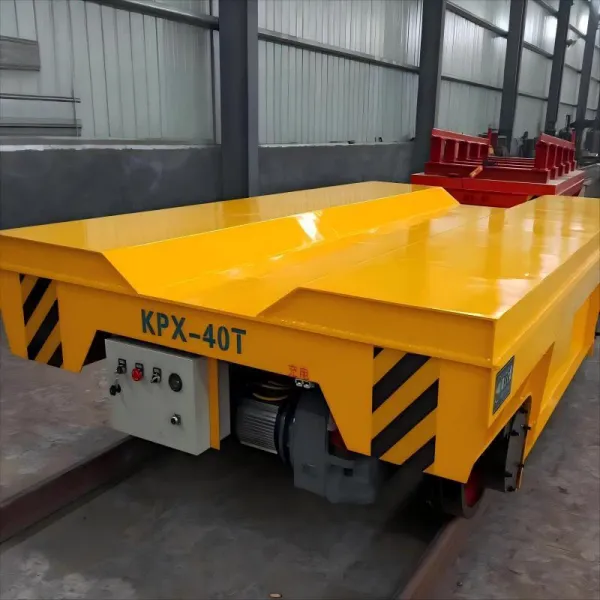
The MH Type Electric Hoist Gantry Crane is a light-to-medium duty lifting equipment widely used in outdoor freight yards, material storage areas, and bulk cargo handling operations. Its steel structure typically consists of a single main girder, four (or two) legs, and end carriages. The hoisting mechanism is an electric hoist. Compared to double-girder gantry cranes, its overall structure is more lightweight, compact, and cost-effective, making it indispensable handling machinery for industrial plants, mining operations, logistics, and warehousing sectors.

Features of MH Type electric hoist gantry cranes
Simple Structure, Low Cost:
Compared to double-girder gantry cranes, the single-girder design eliminates one main girder and a complex trolley travel system. This significantly reduces manufacturing, installation, and maintenance costs, making it an economical choice for light to medium lifting capacity requirements.
Light Weight, Low Wheel Load:
Another advantage of the simple structure is the relatively light overall weight of the crane. This results in a lower wheel load pressure on the runway tracks, reducing the cost and specifications required for the foundation construction.
Easy Installation/Dismantling & High Mobility:
They often feature a modular design, allowing for quick on-site assembly. Some light-duty models can be relocated as a whole unit or are designed to be easily disassembled, facilitating movement between different work sites.
Flexible Operation & Strong Adaptability:
Multiple operation modes are available, including cabin control, remote control, and pendant control. Users can select the most suitable mode for their needs, enhancing operational efficiency and safety.
Large Working Space:
The characteristic structure of the electric hoist single girder gantry crane creates a vast, unobstructed working area underneath it. This allows it to service an entire freight yard or loading platform, facilitating the loading and unloading of railway cars and trucks.
Applications of MH Type electric hoist gantry cranes
Due to its economy and practicality, the electric hoist single girder gantry crane is extremely widely used in the following fields:
Logistics, Warehousing & Freight Terminals: For the loading, unloading, stacking, and transfer of unitized goods in open storage yards or warehouses.
Manufacturing & Assembly Workshops: Used for handling raw materials, semi-finished, and finished products, both inside and outside workshops, supporting the production process.
Building Materials & Metallurgy Industries: Handling materials such as bricks, prefabricated slabs, steel sections, and aluminum ingots.
Equipment Installation & Maintenance: For lifting components and equipment during the installation, repair, and overhaul of machinery.
Power Station Construction & Shipyards: Used for auxiliary material handling and equipment lifting tasks.
Container Yards: For stacking and transferring empty containers (typically in small yards or for auxiliary operations).
-
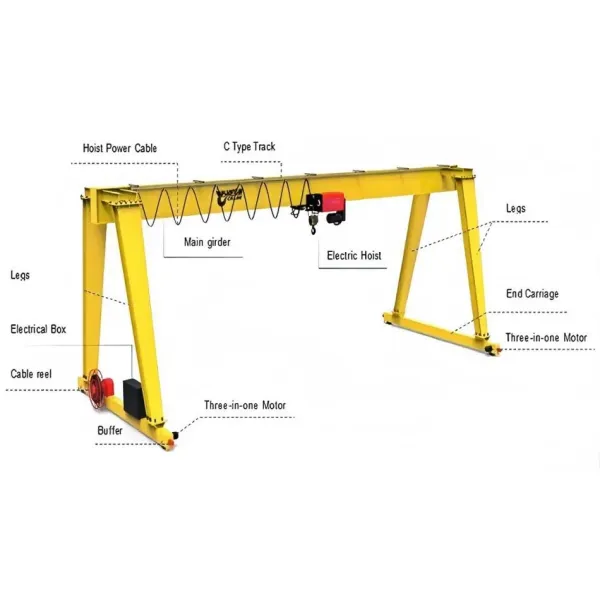
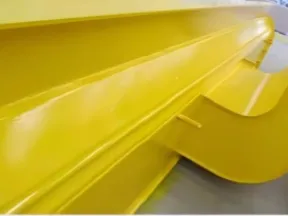 Main Girder: Primary load-bearing component of electric hoist gantry crane, commonly H-shaped/box/truss girder. Supports electric hoist and lifted load, offers hoist transverse travel runway.
 -
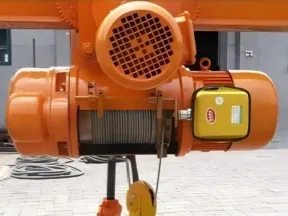 Hoisting Mechanism: Core electric hoist for lifting/lowering loads.Integrates motor, drum, wire rope, hook, brake (compact).Horizontal travel on main girder; vertical via wire rope winding/unwinding.
 -
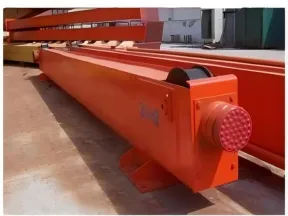 End Carriages: At leg bottoms, crane's foundational frame.Equipped with wheel assemblies/travel mechanisms, drive longitudinal travel along ground tracks.
 -
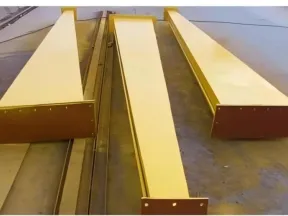 Legs: Column structures supporting main girder and connecting to end carriages.Transfer main girder loads to end carriages/ground tracks.Common L/C-type; C-type offers larger lateral space for vehicle access.